
This Upper East Side Assemblage Isn’t Just Another Condo Deal
This project matters less for the condos themselves and more for what it signals.

When an experienced international developer chooses the Upper East Side for their first NYC ground-up project, it reinforces something I keep seeing: capital still believes in Manhattan — but only in the best locations, with the cleanest stories, and the longest time horizons.
There’s a new luxury condo project coming to the Upper East Side, but the building itself isn’t the most interesting part.
What is interesting is who’s building it, where they chose to do it, and how much they’re willing to pay to get it done.
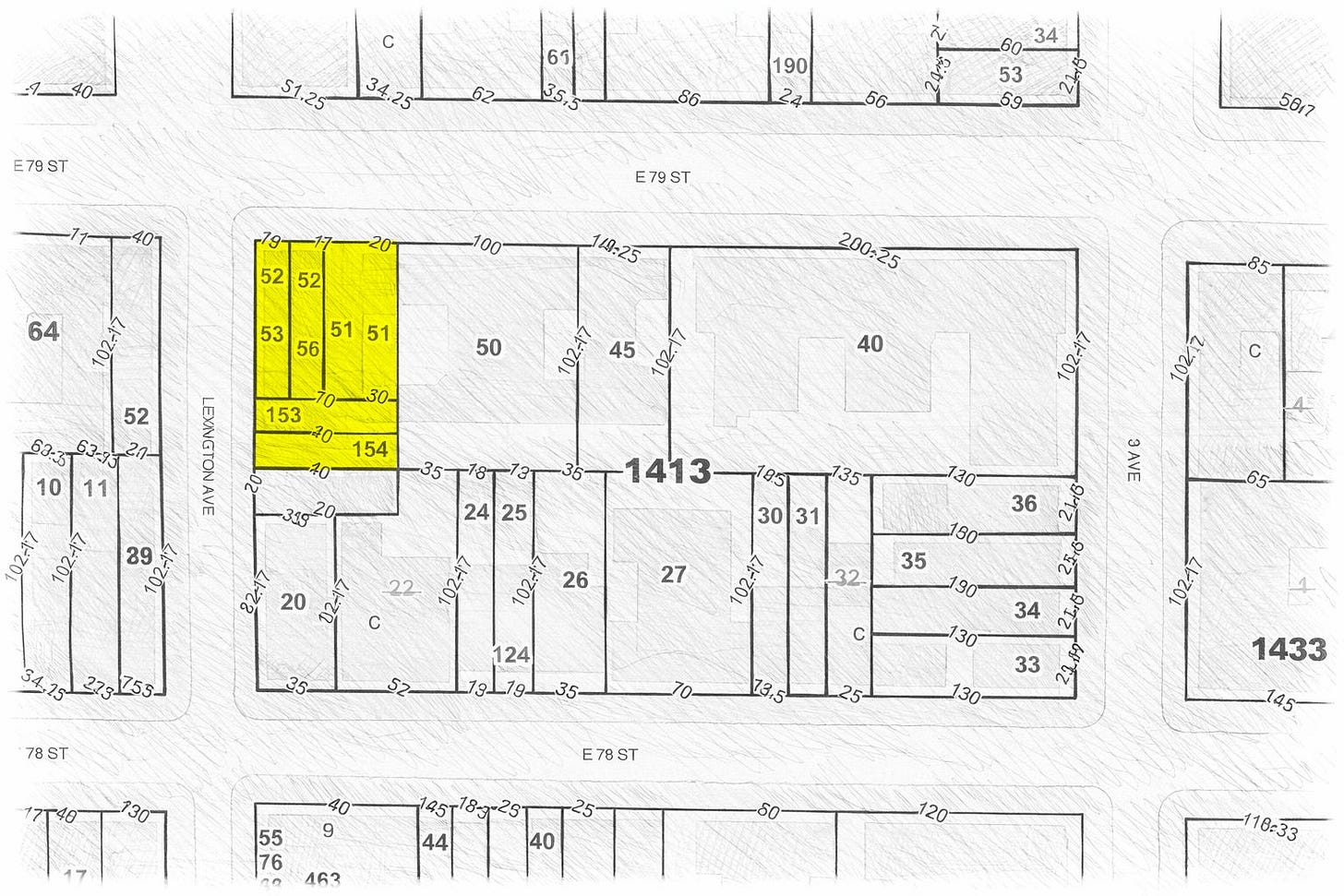
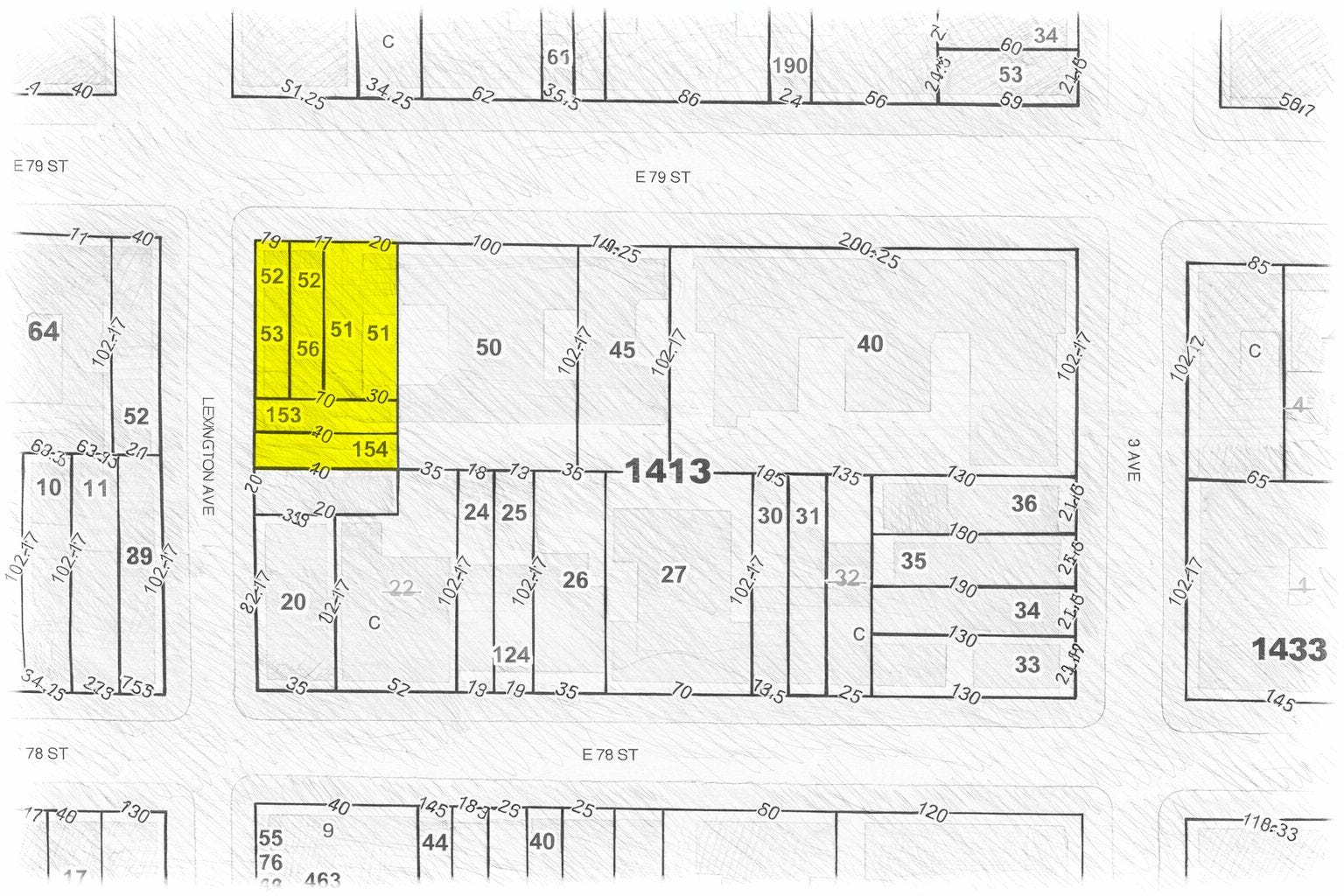
A firm called Closer Properties, led by Zhang Xin (best known for co-founding SOHO China), has quietly assembled a six-building site at East 79th Street and Lexington Avenue. This will be her first ground-up residential development in New York City.
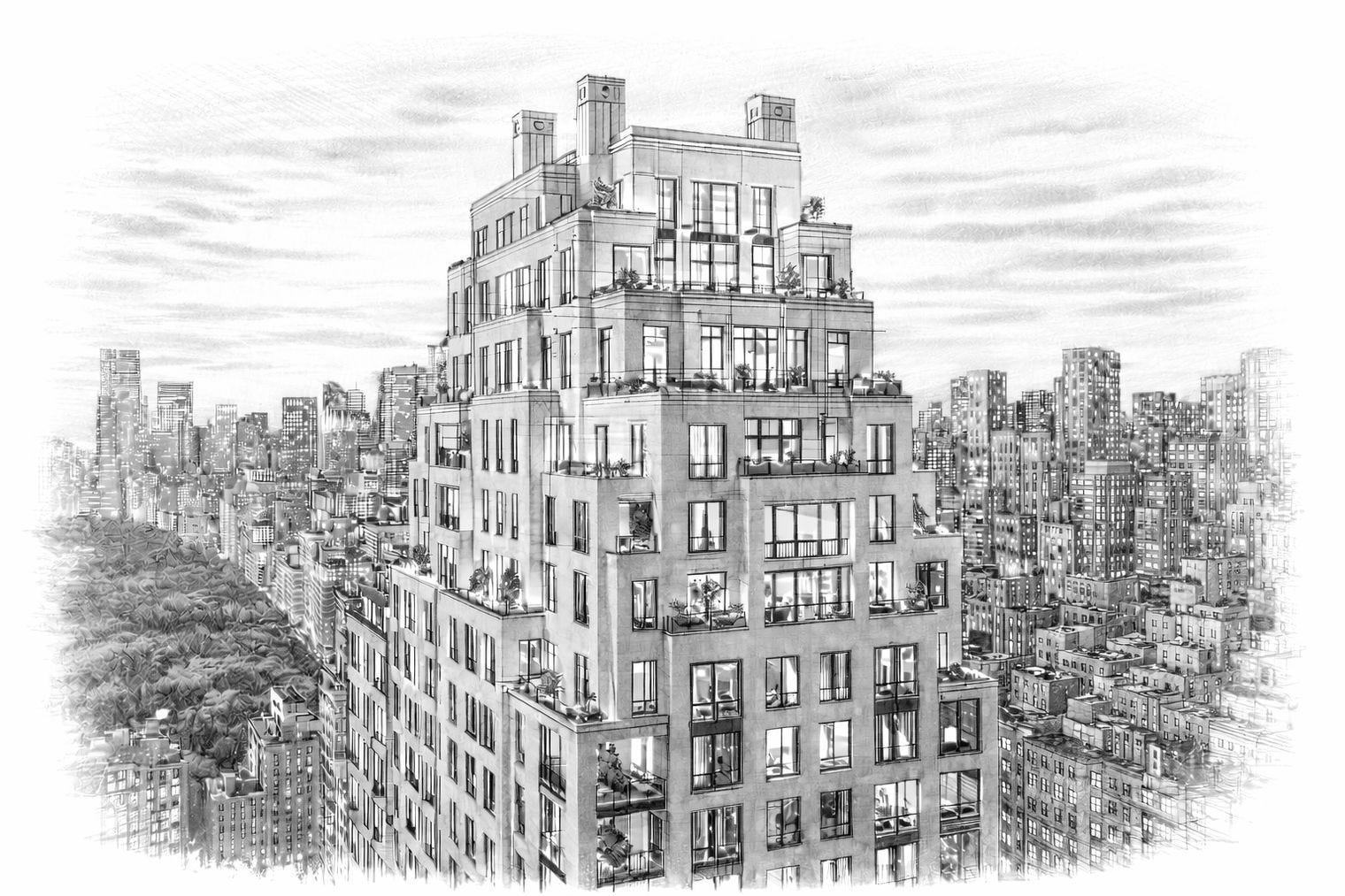
The setup
The site includes six low-rise buildings spanning both the side street and the avenue. Five of those parcels have already closed for $62.5M in cash, with the final parcel under contract and expected to close this year.
All in, the site traded at roughly $76M, or about $1,063 per buildable square foot — one of the highest-priced development sites ever sold on the Upper East Side.
Demolition is expected to begin in early 2026. The plan is a luxury condo building with ground-floor retail and full amenities. No architect, no renderings, no flashy marketing — at least not yet.
And that’s kind of the point.
Why this deal stands out
Zhang Xin isn’t new to New York. She already owns pieces of major assets like the GM Building and Park Avenue Plaza. But owning stabilized trophy assets and breaking ground on condos are very different bets.
Ground-up condo development in NYC today is:
Capital intensive
Politically messy
Construction-risk heavy
And absolutely unforgiving if your underwriting is off
When someone with global experience chooses the Upper East Side for their first NYC ground-up project, it says a lot about how they’re viewing risk and reward.
This isn’t a quick flip. This is patient capital picking a neighborhood where:
Supply is limited
Zoning is restrictive
And long-term demand has proven sticky
What this means for Upper East Side owners
This project matters less for the condos themselves and more for what it signals.
Assemblage premiums are real. A six-parcel site trading around $76M shows what buyers are willing to pay for scale on the UES. Even smaller buildings nearby may have more hidden value than owners realize.
Highest-and-best-use conversations are back. When older, low-rise buildings get cleared for new luxury development, it resets how surrounding properties are underwritten — especially along avenues and prime cross streets.
Zoning and air rights matter more than ever. Deals like this don’t pencil without careful zoning strategy. Owners with unused development rights or irregular lots may quietly become more interesting to the right buyer.
Long-term holders are being rewarded. This isn’t fast money. It’s a long-view bet on the Upper East Side ten years out — and that’s an important data point for anyone deciding whether to sell, reposition, or hold.
Expect quiet follow-on activity. High-profile projects tend to trigger discreet outreach nearby. Not always public. Not always immediate. But it usually starts with conversations.
The bigger takeaway
This isn’t just a condo story. It’s a capital story.
Global developers aren’t chasing everything in New York right now. They’re being selective. Very selective.
And when one of them chooses a clean assemblage on the Upper East Side for their first ground-up play, it reinforces something I keep seeing block by block:
Capital hasn’t left Manhattan. It’s just gotten pickier — favoring the best blocks, the cleanest setups, and investors willing to wait.
I’ll be watching this one closely as more details come out.
Have questions about the market or how it applies to your property? Contact me

Smart framing here. The $1,063 psf for land isn't just expensive, it's a statement about conviction levels. What I find intresting is the timeline patience required for ground-up vs buying stabilized assets. Most capital right now wants optionality, but this play locks in a 5-7 year horizon minimum. The assemblage premium detail is key tho becauseit shows how much value gets hidden in fragmented ownership structures that nobody bothers mapping.